
Why Japanese People Love Eating Raw Fish:
A Tradition of Taste, Culture, and Care
Japan is known for many culinary traditions, but few are as iconic as eating raw fish — especially as sashimi. For many people around the world, this might seem unusual at first. Yet in Japan, it is a practice shaped by thousands of years of history, geography, religion, and craftsmanship.
Raw fish in Japan is not just food —
it is culture, health, and a beautiful expression of simplicity.
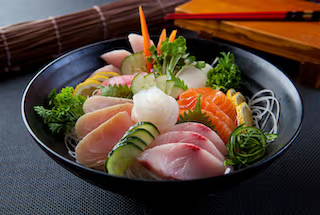
🥢 A Tradition Rooted in Washoku
Japanese cuisine, known as Washoku, was officially recognized by UNESCO in 2013 as an Intangible Cultural Heritage.
Washoku celebrates balance, seasonality, and the natural taste of ingredients.
Raw fish became a part of this tradition because Japan has:
✔️access to extremely fresh seafood
✔️methods of handling fish safely
✔️a culture that values preserving natural flavor
Eating fish raw allows its pure taste — and texture — to shine.
🛕 Religion’s Quiet Influence
Both Buddhism and Shinto helped shape Japan’s preference for fish over meat.
Buddhism
✔️Introduced in the 6th century
✔️Discouraged eating four-legged animals
Shinto
✔️Considered meat “impure” in many rituals
✔️Favored foods that were lighter and more natural
As a result, fish became the main source of protein for centuries.
Over time, the Japanese developed refined ways of enjoying it fresh and raw, eventually creating sashimi culture.
💠 A Healthy Culinary Choice
Raw fish is not only delicious — it is extremely nutritious.
Health benefits include:
✔ Omega-3 fatty acids (good for the brain & heart)
✔ High-quality protein
✔ Low fat
✔ No added oils or cooking heat that can reduce nutrients
This makes sashimi a simple yet powerful part of Japanese cuisine.
🐟 Safety Through Skill and Technique
Eating raw fish safely requires knowledge and precise handling — something Japan has perfected.
Key practices:
✔Super-freezing right after catch to preserve freshness and kill parasites
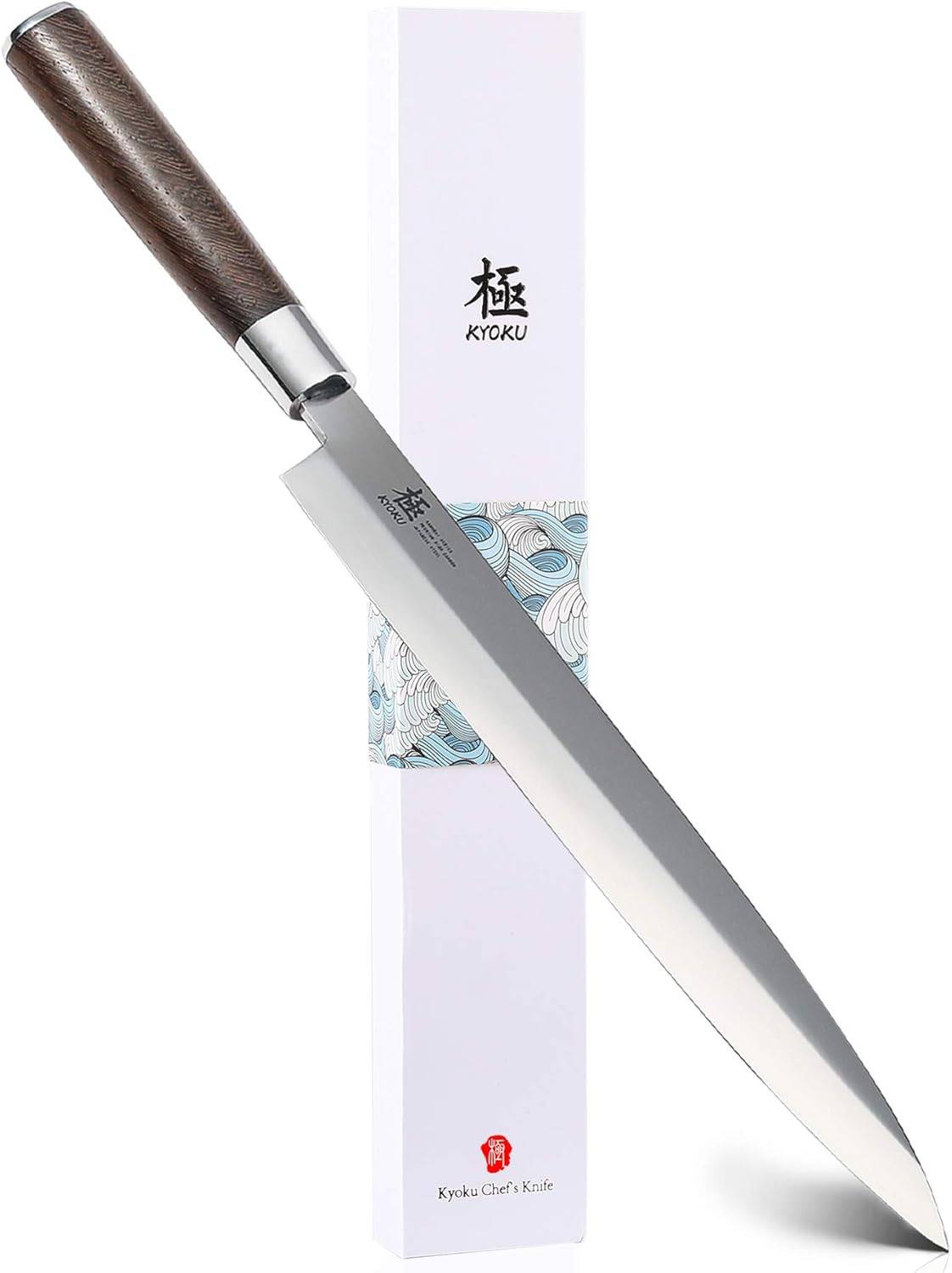
✔Using sharp, specialized knives for clean cuts
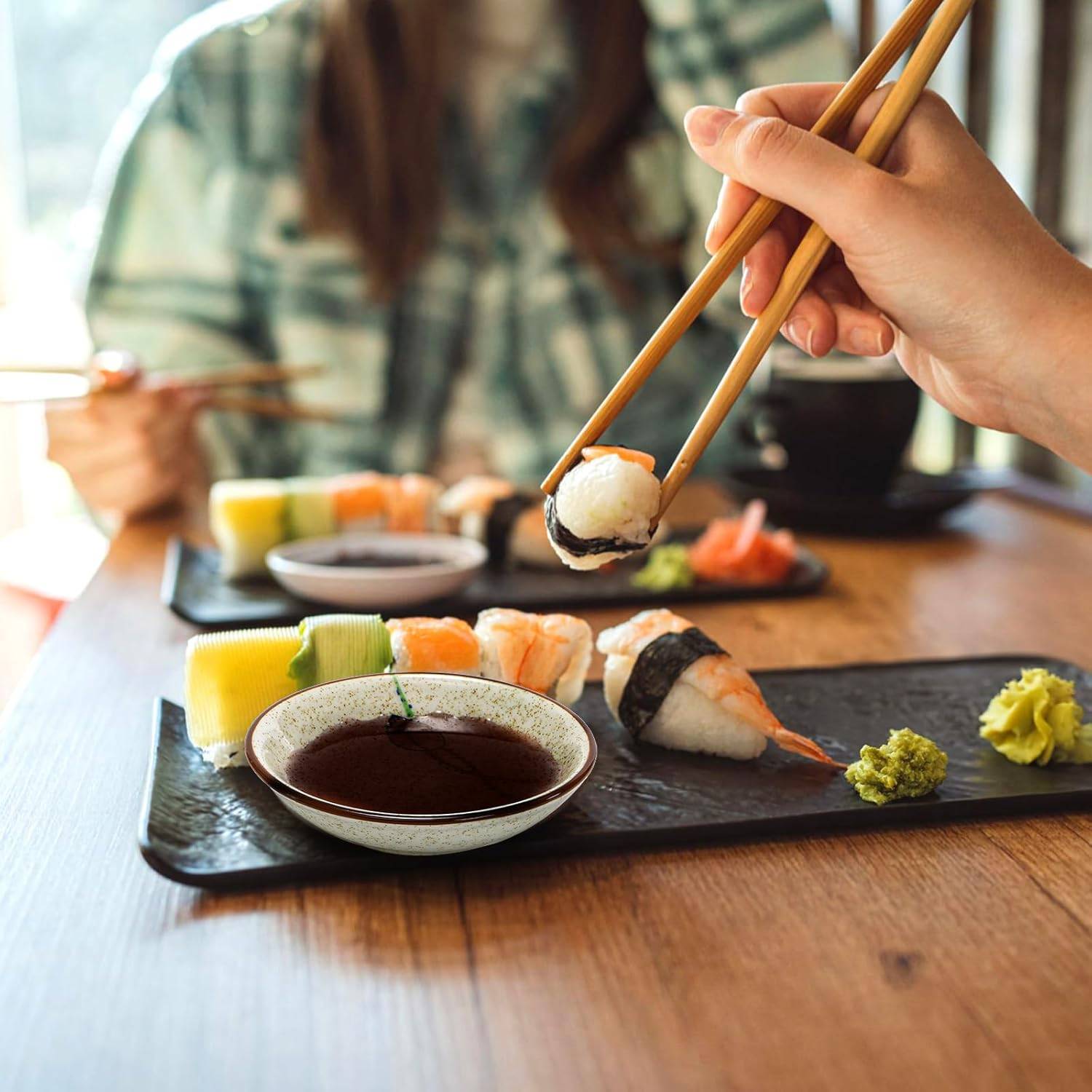
✔Pairing raw fish with wasabi (antibacterial properties)
✔Eating it with soy sauce, which enhances flavor and reduces surface bacteria
This blend of technique and tradition ensures sashimi is both delicious and safe.
🌊 A Country Surrounded by Water
Japan is made up of islands — meaning fishing has always been part of daily life.
With access to:
✔the Pacific Ocean
✔nutrient-rich seas
✔lakes and rivers
Japan naturally developed a deep relationship with seafood.
Fresh fish was abundant, making raw consumption easier and more common.
🍣 Raw Fish in Modern Japan
Today, sashimi and sushi are symbols of Japanese culinary identity.
From upscale restaurants to family dinners and even convenience stores, raw fish plays a role in everyday life.
And globally, sashimi has become a beloved food for its clean flavors and beautiful presentation.
1. Yanagiba Sashimi Knife
Long, precise, and traditionally single-beveled — ideal for clean sashimi cuts.
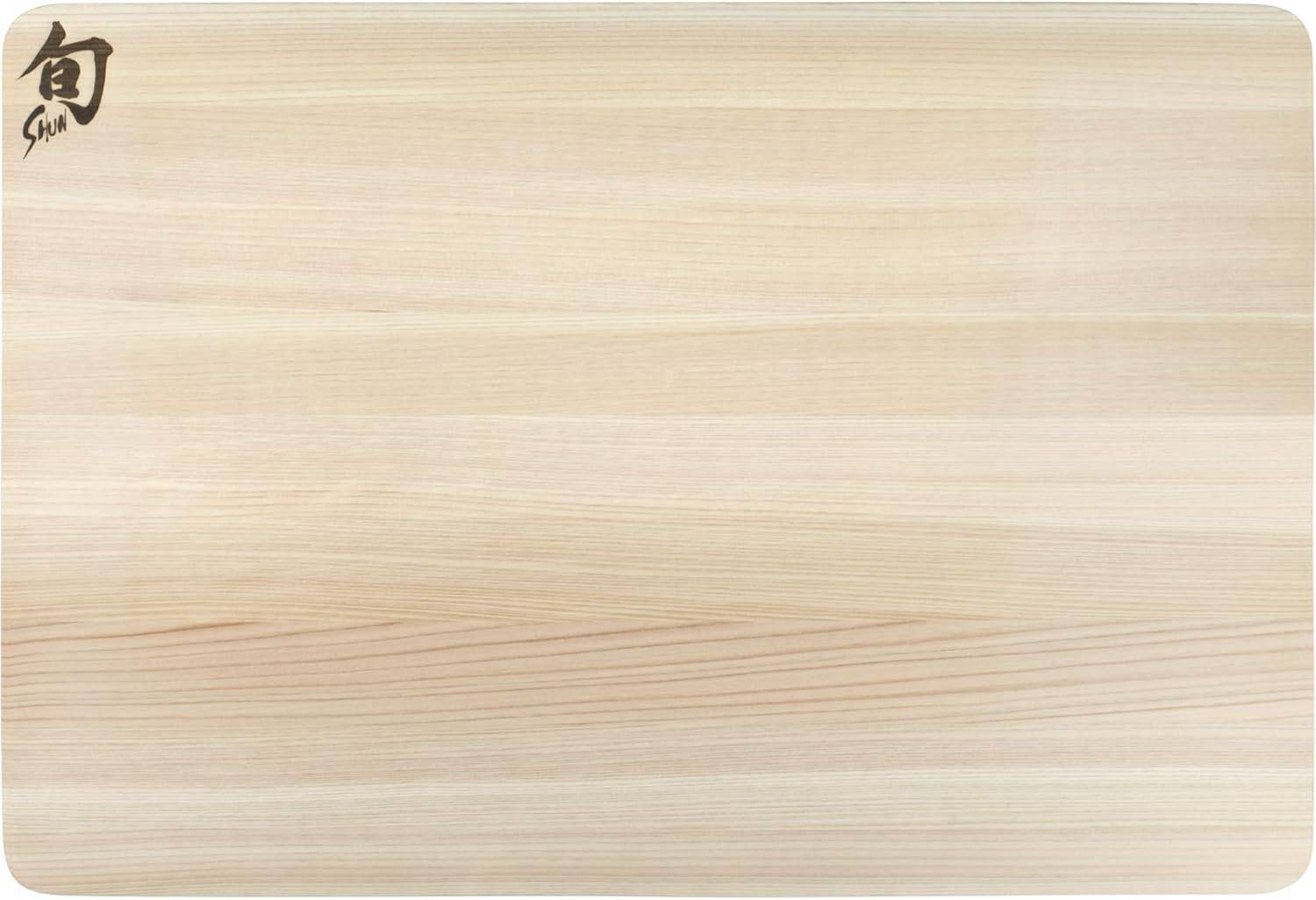
2. Hinoki Cutting Board
Naturally antibacterial and gentle on knives.
A staple in traditional Japanese kitchens.
3. Soy Sauce & Wasabi Dish Set
Minimalist ceramic dishes designed for sashimi dipping.
🌱 Final Thoughts
Eating raw fish is not simply a habit — it is a reflection of Japan’s geography, beliefs, history, and culinary technique.
It represents purity, balance, and the appreciation of natural flavors.
In Japan, raw fish is more than food.
It is an experience — one shaped by tradition, care, and the quiet pursuit of quality.