
Why Japan Still Cherishes Analog Tools in a Digital World
Japan is often seen as a symbol of advanced technology—bullet trains, robotics, automation, and precision electronics woven into everyday life. And yet, alongside all of this innovation, something quietly enduring remains: analog tools.
Mechanical watches, hand tools, paper planners, film cameras, sharpening stones, and handwritten notes are still deeply valued. Not as nostalgia—but as deliberate choices.
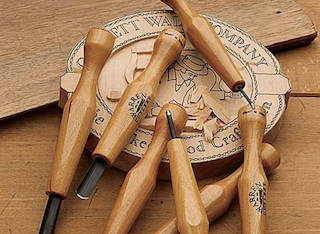
Technology Didn’t Replace Everything—It Clarified What Matters
In Japan, technological progress was never meant to erase older tools. Instead, it clarified why certain tools still deserve a place.
Digital tools are chosen for:
• Speed
• Efficiency
• Scale
Analog tools remain for:
• Precision
• Sensory feedback
• Presence and intention
The two coexist, each respected for what it does best.
The Importance of Touch and Feedback
Many analog tools provide something digital tools cannot: physical feedback.
• The resistance of a pen on paper
• The sound of a blade meeting wood
• The subtle vibration of a mechanical mechanism
• The weight and balance of a hand tool
These sensations inform the user. They teach timing, pressure, and control. In Japanese craftsmanship, this feedback loop is considered essential—not something to eliminate.
Tools That Encourage Mindful Use
Analog tools naturally slow people down. They require attention. You must engage with them fully, even for simple tasks. This aligns closely with Japanese values:
• Focus on the present action
• Respect for the process, not just the result
• Pride in doing small things properly
Using an analog tool is not about efficiency alone—it’s about quality of experience.
Reliability Through Simplicity
Another reason analog tools endure is reliability. Fewer components mean fewer points of failure. A well-made analog tool can function for decades, sometimes generations, with basic care. This long-term usability reflects a Japanese mindset that values:
• Durability over disposability
• Repair over replacement
• Ownership with responsibility
In a culture where maintenance is seen as part of use, analog tools feel natural.
Tradition, Skill, and Identity
Many analog tools are tied to traditional skills—woodworking, cooking, calligraphy, craftsmanship, and daily household tasks. Using them is not about rejecting modern life, but about preserving knowledge embedded in the hands. These tools carry quiet lessons:
• How to move
• How to feel resistance
• How to sense completion
They connect people to generations before them, without needing explanation.
Why Analog Still Has a Place in Modern Japan
In a fast, optimized world, analog tools offer balance. They remind people that not everything needs to be faster, automated, or invisible. Sometimes, the act of doing something manually—slowly and carefully—is the point.
That’s why, even in one of the world’s most technologically advanced countries, analog tools remain not just relevant, but deeply appreciated.
Related Japanese Items You May Appreciate
If you’re curious about Japanese analog tools, you may want to explore:
• Handcrafted tools designed for daily use
• Mechanical, non-digital instruments
• Writing tools and paper-based systems
• Traditional tools refined for modern life
In Japan, progress doesn’t erase the past.
It learns how to live alongside it.
Recommended Product
Letters from japan Scrapbook Paper