
Why Do Japanese People Eat Unagi in Summer?
The Tradition Behind Doyō no Ushi no Hi
Walk through Japan during the hottest part of summer and you may notice something appearing everywhere — at restaurants, supermarkets, department stores, and even convenience stores:
Unagi.
Glazed with a rich, sweet-savory sauce and grilled until beautifully caramelized, Japanese eel has become one of the country’s most recognizable summer foods.
But why do Japanese people eat unagi during the hottest time of the year?
The answer lies in a centuries-old tradition called Doyō no Ushi no Hi(土用の丑の日) — the “Day of the Ox” during the summer doyō period.
More than simply a seasonal meal, unagi reflects Japan’s relationship with the seasons, its culinary history, and the craftsmanship behind one of the country’s most distinctive dishes.
🐟 What Is Unagi?
Unagi (うなぎ) means freshwater eel in Japanese.
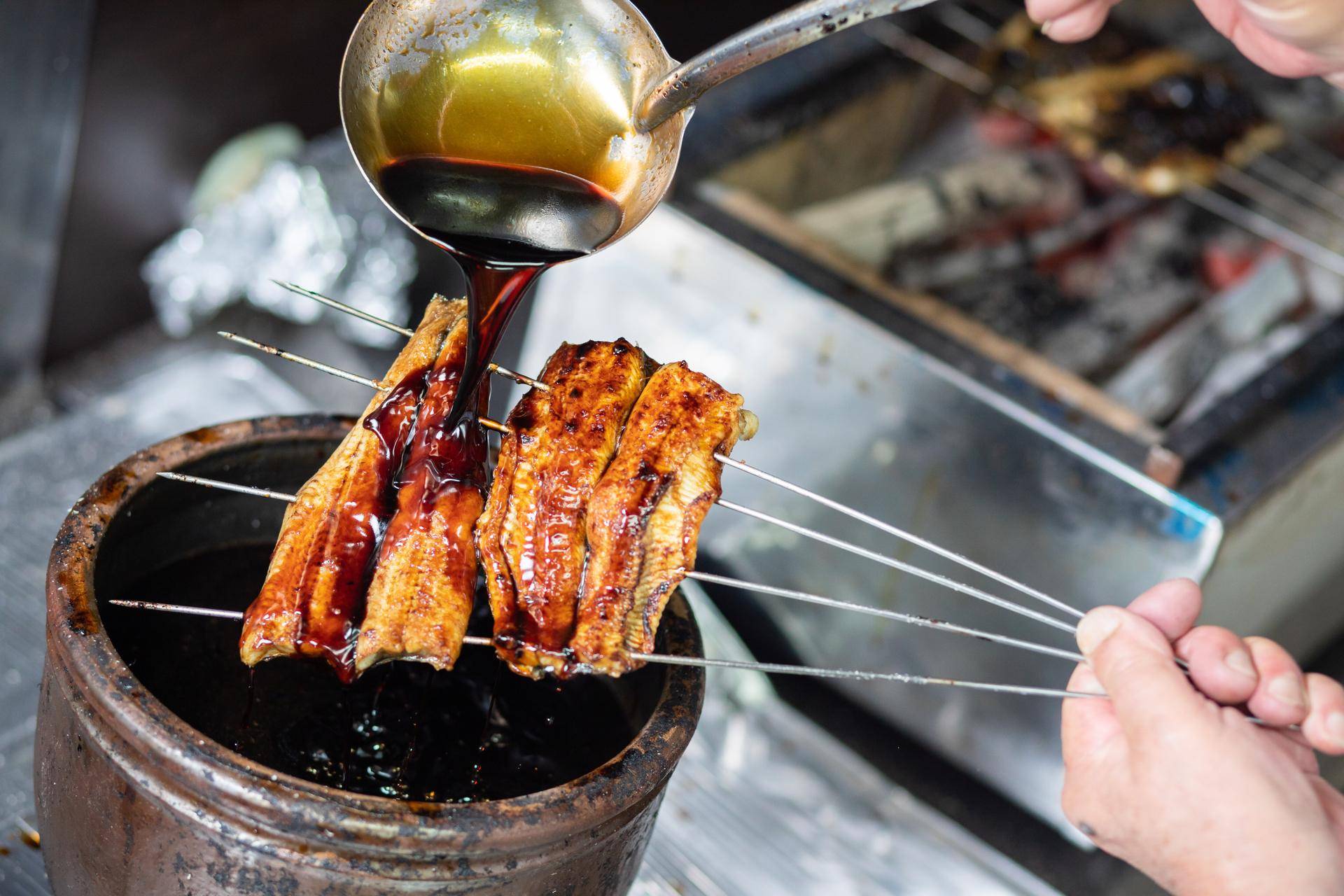
In traditional Japanese cuisine, it is most famously prepared as kabayaki— eel that is opened, deboned, skewered, grilled, coated with a sweet soy-basedsauce, and grilled again.
The finished eel is usually served over steaming white rice as:
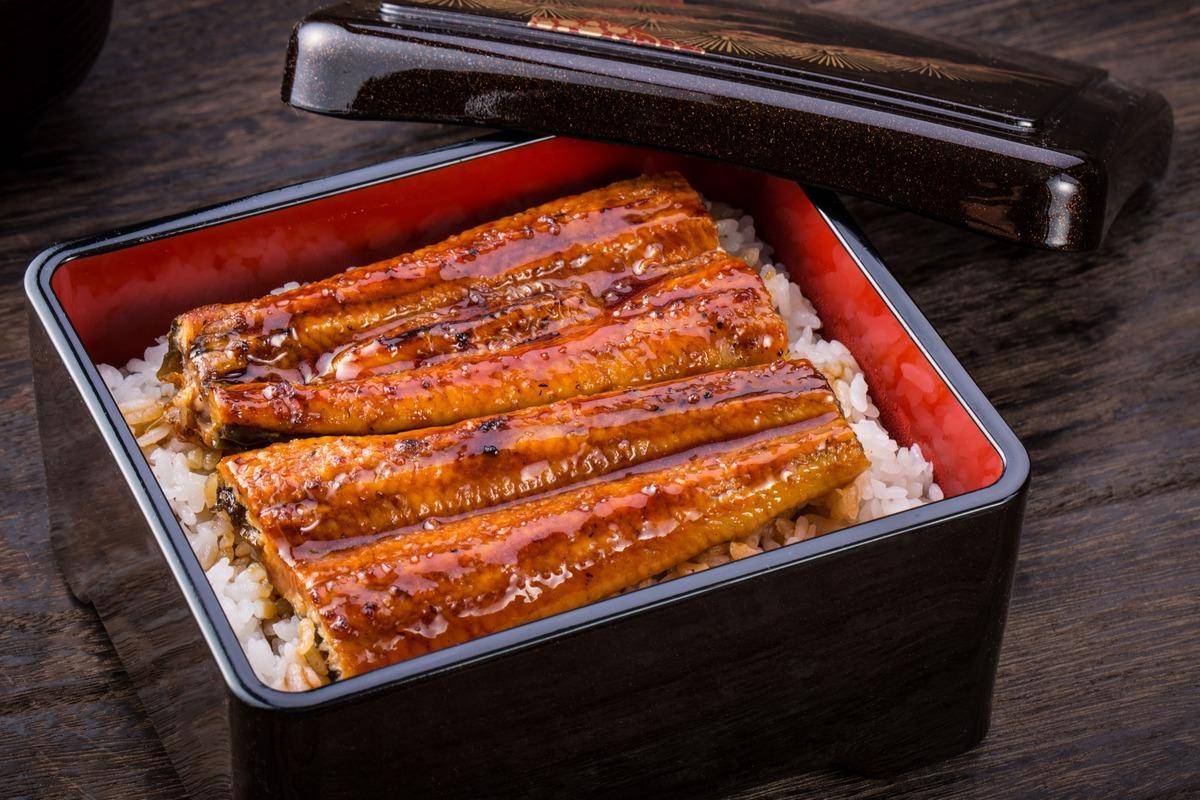
✔️Unadon (うな丼) — eel served in a rice bowl
✔️Unajū (うな重) — eel served over rice in a traditional lacquered box
✔️Kabayaki (蒲焼) — glazed grilled eel served on its own
Other traditional preparations include umaki, eel wrapped inside aJapanese omelet, and uzaku, eel served with cucumber in a vinegareddish.
The combination of smoky grilled eel, fluffy rice, and glossy taresauce creates the rich flavor that has made unagi a treasured part of Japanesecuisine.
☀️ What Is Doyō no Ushi no Hi?
The connection between unagi and summer comes from the traditionalJapanese calendar.
Doyō (土用) refers to an approximately 18-day period before thebeginning of each season.
In the old calendar, individual days were also associated with the twelvezodiac animals. When a Day of the Ox — Ushi no Hi (丑の日) — occurred during the doyō period, it becameknown as:
Doyō no Ushi no Hi (土用の丑の日).
Although doyō occurs several times throughout the year, the summerDoyō no Ushi no Hi — usually falling in late July or early August — becameespecially famous.
And in modern Japan, it has become almost synonymous with one food:
Unagi.
📜 Why Did Japanese People Start Eating Unagi on This Day?
The custom became widespread during the Edo period (1603–1868).
One traditional belief held that eating foods beginning with the Japanesesound “u” on the Day of the Ox could help people endure the intensesummer heat.
Foods such as:
✔️Umeboshi — pickled plum
✔️Udon — thick wheat noodles
✔️Uri — gourds and melons
were associated with the custom.
And, conveniently, unagi also begins with “u.”
One of the most famous stories credits the Edo-period scholar andinventor Hiraga Gennai with popularizing the practice.
According to the story, an eel restaurant struggling with slow summersales asked Gennai for help. He supposedly suggested advertising:
“Today is Doyō no Ushi no Hi.”
The promotion was a success, other shops copied the idea, and eatingunagi on that day became a tradition.
It is a great story — but historians have not found firm evidence provingthat Gennai actually created the custom. Historical sources suggest that thetradition was already developing around the late 18th century, and severalpossible origins have been proposed.
Whether Gennai truly invented the idea or simply became part of thelegend, the connection between summer, Doyō no Ushi no Hi, and unagibecame firmly established in Japanese food culture.
🔥 The Art of Unagi Kabayaki
Part of what makes Japanese unagi special is not simply the eel itself.
It is the preparation.
Traditional kabayaki requires considerable skill. The eel iscarefully prepared, skewered, grilled, coated with tare, and grilledagain until the exterior becomes fragrant and caramelized while the insideremains tender.
There are also famous regional differences.
Kanto Style — Tokyo and Eastern Japan
The eel is traditionally:
✔️ opened from the back
✔️ skewered
✔️ lightly grilled
✔️ steamed
✔️ coated with sauce
✔️ grilled again
Steaming creates the especially soft and fluffy texture associated withTokyo-style unagi.
Kansai Style — Osaka and Western Japan
The eel is traditionally:
✔️ opened from the belly
✔️ skewered
✔️ grilled directly without steaming
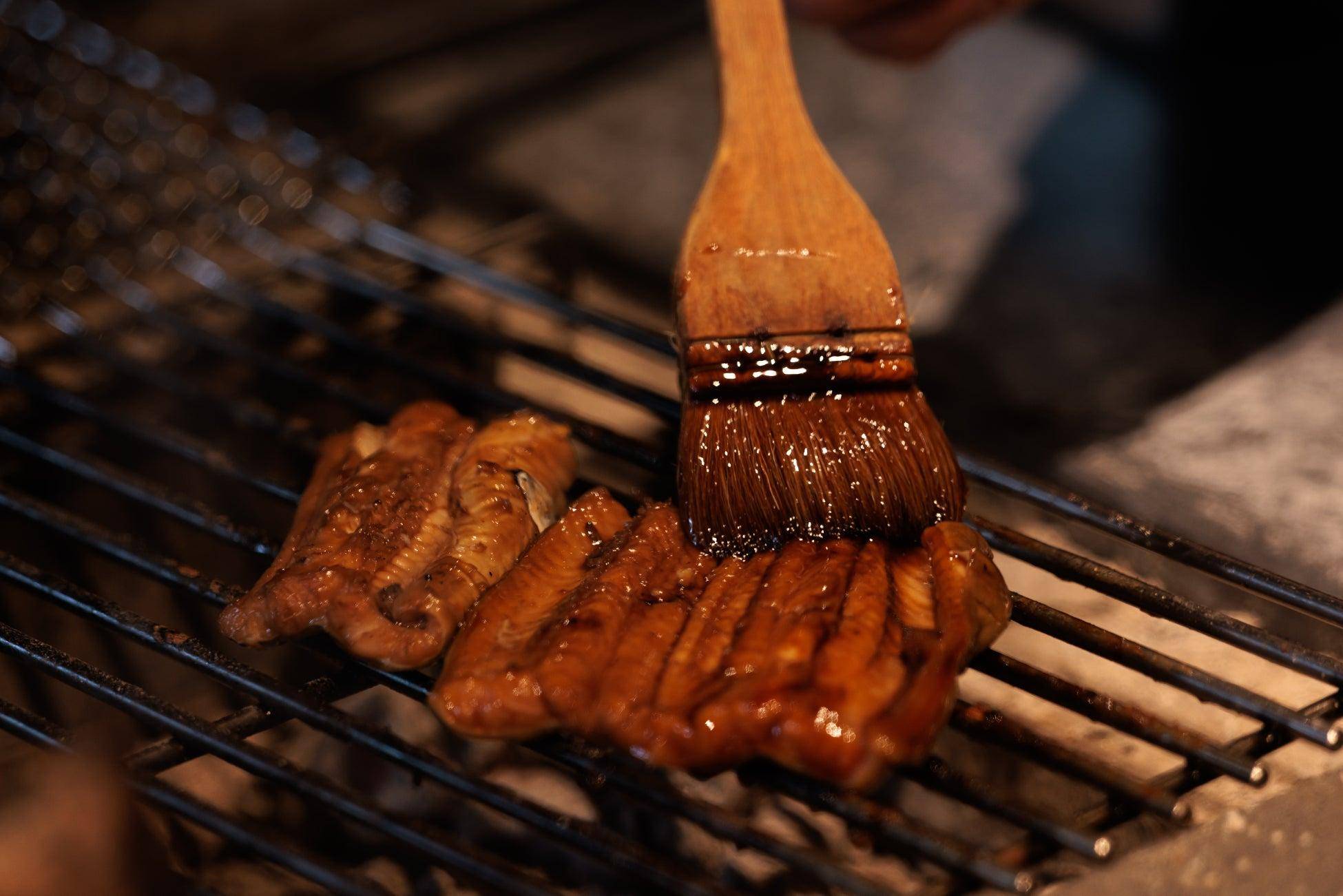
✔️ repeatedly brushed with sauce
The result tends to have a firmer texture and a more pronounced grilledexterior.
These differences are a wonderful example of how even one traditionalJapanese dish can express strong regional identities.
🍶 The Secret Behind Unagi Sauce
Just as Okonomiyaki has its signature sauce, kabayaki would not be thesame without its tare.
Traditional unagi sauce is typically built around simple ingredients suchas:
✔️ soy sauce
✔️ mirin
✔️ sugar
✔️ sake
When brushed repeatedly over eel during grilling, the sauce caramelizesand combines with the flavors from the fish and charcoal.
The result is the glossy, deep-brown finish that makes kabayaki instantlyrecognizable.
At long-established unagi restaurants, the sauce can become part of therestaurant’s identity. Recipes and preparation methods may be carefullymaintained over generations, giving each shop its own balance of sweetness,saltiness, aroma, and depth.
The sauce also soaks into the rice below the eel — meaning the riceitself becomes an important part of the experience.
🍚 More Than a Summer Energy Food
Unagi has long been regarded in Japan as a nourishing food, particularlyduring the exhausting heat and humidity of summer.
Interestingly, however, summer is not necessarily the natural peakseason for wild eel.
Traditionally, wild eel is considered especially flavorful in autumn,when it has accumulated more fat before winter.
This makes the modern summer unagi tradition particularly fascinating.
People are not necessarily eating eel in summer simply because that iswhen the ingredient is at its natural best.
They eat it because culture transformed unagi into a symbol of theJapanese summer.
Today, seeing signs for Doyō no Ushi no Hi outside restaurants or rows ofunajū at Japanese supermarkets has become almost as seasonal as seeing shavedice, fireworks, or summer festivals.
🛒 Recommended Unagi Essentials
Japan Quality Picks
You do not need to visit a specialist unagi restaurant in Japan to bringsome of these flavors into your own kitchen.
Here are some items that can help recreate the experience.
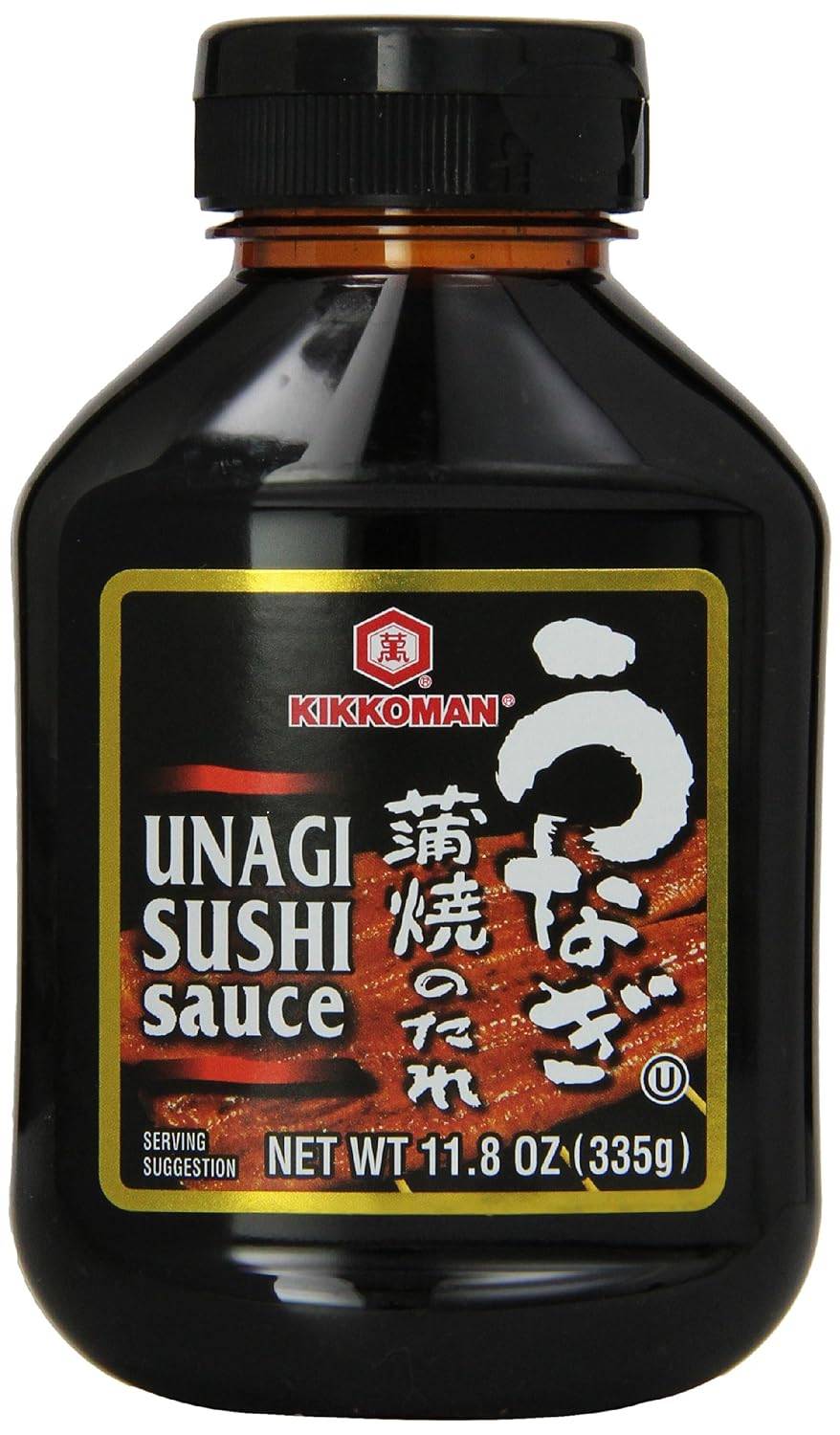
A sweet and savory soy-based tare designed for grilled eel. It canalso be used on rice, grilled fish, chicken, or other Japanese-style dishes.
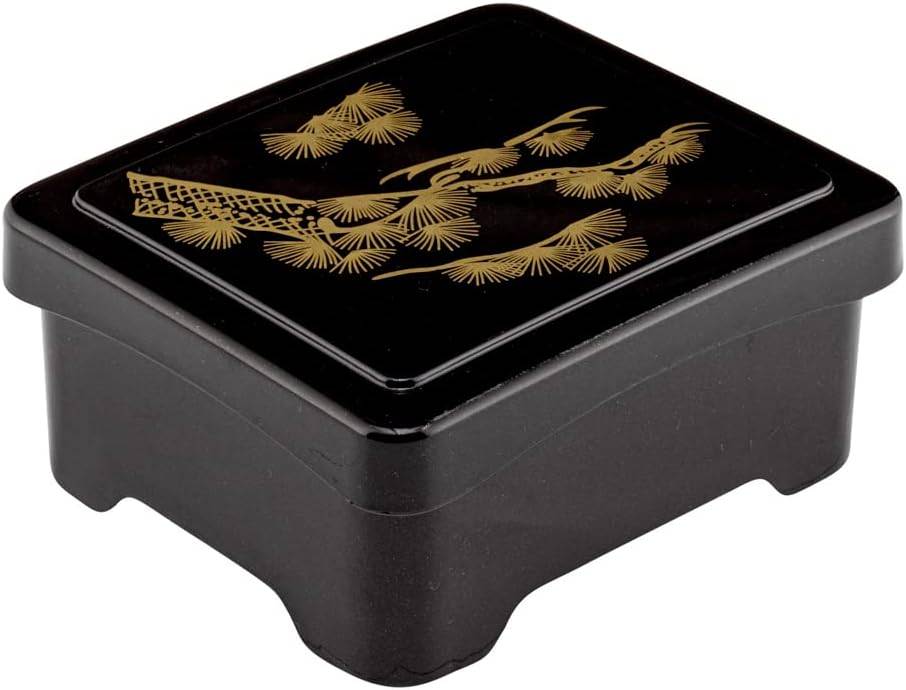
Japanese Unajū Box
A traditional lacquer-style rectangular box used to serve unagi overrice, bringing the presentation of a Japanese eel restaurant to your own table.
🍳 Enjoying Unagi at Home
If you can find prepared kabayaki at a Japanese or Asian grocery store,making unadon at home is surprisingly simple.
Prepare:
✔️ Japanese short-grain rice
✔️ grilled unagi kabayaki
✔️ unagi sauce
✔️ sansho pepper
Warm the eel gently, brush it with additional sauce, and serve it overfreshly steamed rice.
Drizzle a little more tare over the rice and finish with sansho if youlike.
It may not replace the experience of watching a skilled unagi chef grilleel over charcoal in Japan, but it offers an easy way to experience one of thecountry’s most distinctive traditional flavors at home.
🌱 A Tradition Worth Preserving
If you can find prepared kabayaki at a Japanese or Asian grocery store,making unadon at home is surprisingly simple.
Prepare:
✔️ Japanese short-grain rice
✔️ grilled unagi kabayaki
✔️ unagi sauce
✔️ sansho pepper
Warm the eel gently, brush it with additional sauce, and serve it overfreshly steamed rice.
Drizzle a little more tare over the rice and finish with sansho if youlike.
It may not replace the experience of watching a skilled unagi chef grilleel over charcoal in Japan, but it offers an easy way to experience one of thecountry’s most distinctive traditional flavors at home.
🌿 Final Thoughts
If you can find prepared kabayaki at a Japanese or Asian grocery store,making unadon at home is surprisingly simple.
Prepare:
✔️ Japanese short-grain rice
✔️ grilled unagi kabayaki
✔️ unagi sauce
✔️ sansho pepper
Warm the eel gently, brush it with additional sauce, and serve it overfreshly steamed rice.
Drizzle a little more tare over the rice and finish with sansho if youlike.
It may not replace the experience of watching a skilled unagi chef grilleel over charcoal in Japan, but it offers an easy way to experience one of thecountry’s most distinctive traditional flavors at home.