Bathing as Medicine
How Japan Turns Daily Baths into Deep Recovery Rituals
In many countries, bathing is functional.
A quick shower. A few minutes to get clean. Then back to life.
In Japan, bathing is something else entirely.
It is not rushed.
It is not optional.
And it is not just about hygiene.
For generations, the Japanese ofuro has been treated as a quiet form of daily recovery—a ritual that restores the body, calms the nervous system, and resets the mind before tomorrow begins.
Without calling it “wellness,” Japan built one of the most effective recovery habits into everyday life.
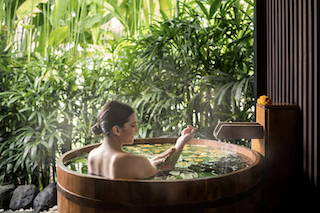
Ofuro Is Not a Shower
To understand Japanese bathing culture, it’s important to separate washing from bathing.
In Japan:
• You wash your body before entering the bath
• The bath itself is not for cleaning
• It is for soaking, warming, and resting
This distinction changes everything.
The bath becomes a shared, respected space—often used by multiple family members—kept clean and intentional.
More importantly, it becomes a place where nothing else is required of you.
No productivity.
No screens.
No performance.
Just stillness.
Heat as a Signal to Slow Down
Warm water does more than relax muscles.
It sends a message to the nervous system.
Immersion in hot water gently encourages the body to shift away from stress mode and toward parasympathetic activity—the state associated with rest, digestion, and recovery.
This is why many people experience:
• Slower breathing
• A feeling of heaviness or calm
• Mental quiet after soaking
Japanese bathing culture didn’t emerge from scientific papers.
It emerged from observation—centuries of noticing how the body responds to warmth, stillness, and routine.
A Daily Reset, Not an Occasional Treat
In many cultures, baths are framed as luxury or self-care events.
In Japan, they are daily maintenance.
This consistency matters.
Instead of waiting until stress builds up, the bath:
• releases tension every evening
• marks a clear transition from work to rest
• prevents fatigue from accumulating silently
It’s a system designed around prevention, not recovery after burnout.
The Mental Power of Repetition
The ofuro works not only because of heat, but because of ritual.
The same sequence, every night:
• Prepare the bath
• Wash
• Soak quietly
• Exit slowly
This repetition creates predictability—and predictability calms the mind.
The brain learns:
“This is where we let go.”
Over time, the bath itself becomes a cue for relaxation, even before the body fully warms.
Recovery Without Optimization
What’s striking about Japanese bathing culture is what it lacks.
There is no obsession with:
• maximizing benefits
• tracking metrics
• optimizing temperature to perfection
The focus is simply on presence.
This is recovery without pressure—without turning rest into another task to complete correctly.
And that may be why it works so well.
A Shared Cultural Pause
Traditionally, bathing time was shared across families—not simultaneously, but respectfully, one after another.
This created:
• a household rhythm
• an unspoken understanding that evenings slow down
• a collective respect for rest
Even today, in modern apartments and busy lives, that mindset remains.
The bath is protected time.
Warmth That Carries Into Sleep
Japanese bathing often happens in the evening, not the morning.
The gradual cooling of the body after a hot bath supports:
• drowsiness
• smoother transition into sleep
• deeper relaxation before bedtime
Again, no labels.
Just lived experience passed down quietly.
Ofuro as Everyday Care
Japan did not turn bathing into medicine by adding technology or products.
It did so by giving time and intention to something already ordinary.
The lesson is subtle but powerful:
• Recovery doesn’t have to be special
• It has to be consistent
• And it has to be respected
In Japan, a warm bath is not indulgence.
It is daily care—offered gently, every night.
A Ritual the Body Understands
In a world that often asks us to push harder, optimize more, and rest later, the Japanese bath offers a different message:
Slow down now.
Warm the body.
Let the day end properly.
Sometimes, the most effective medicine is simply a quiet habit—practiced long enough that the body remembers how to heal itself.