
Winter Comfort Foods
in Japan
How Simple Seasonal Meals Warm Both Body and Mind
When winter arrives in Japan, people don’t just change how they dress or heat their homes.
They change how they eat.
Cold weather brings with it a quiet shift toward warmth, simplicity, and togetherness—especially at the table. Meals become less about variety and spectacle, and more about nourishment that comforts the body and steadies the mind.
In Japan, winter food is not designed to impress.
It is designed to restore.
Eating With the Season, Not Against It
Seasonal eating has long been a natural part of Japanese life.
Rather than forcing the same meals year-round, winter invites foods that:
• are warm and gently cooked
• are easy to digest
• provide sustained heat rather than quick stimulation
This seasonal shift supports the body’s natural response to cold—conserving energy, staying warm, and slowing down.
Food becomes a form of alignment with the environment, not resistance to it.
Nabe: More Than a Hot Pot
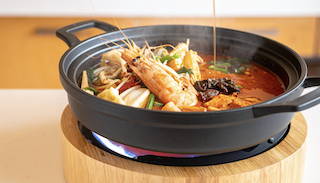
At the heart of Japanese winter food culture is nabe—a shared hot pot simmered at the table.
But nabe is not about complex flavors or perfect technique.
It is about togetherness.
A single pot.
Simple ingredients.
Everyone eating from the same source.
This style of dining creates:
• physical warmth from steam and heat
• emotional warmth through shared pace and presence
• a sense of safety and familiarity
The meal unfolds slowly. No one rushes. No one eats alone.
Warmth From the Inside Out
Winter comfort foods in Japan often rely on:
• broths
• soups
• simmered dishes
These meals warm the body gradually and deeply, supporting circulation and digestion without heaviness.
Unlike cold or highly processed foods, warm dishes reduce internal strain.
The body doesn’t need to fight to maintain temperature—it is supported.
This internal warmth is one reason Japanese winter meals feel so calming after a long, cold day.
Simplicity That Relieves the Mind
Japanese winter meals tend to be visually modest.
Few ingredients.
Muted colors.
Minimal seasoning.
This simplicity reduces sensory overload and decision fatigue. The brain can rest while the body eats.
In a season when daylight shortens and energy naturally dips, food becomes another way to quiet the nervous system.
Comfort comes not from indulgence, but from ease.
Cooking as Care, Not Performance
In winter, cooking in Japan often shifts away from creativity and toward care.
Meals are prepared not to showcase skill, but to:
• warm family members
• maintain routine
• mark the end of the day
There is no pressure to innovate. Familiar dishes repeat, week after week.
This repetition creates emotional stability. The meal itself becomes predictable—and therefore comforting.
Eating Together, Slowing Together
Winter meals are rarely rushed.
People sit longer.
Talk more softly.
Stay close to the heat source.
Eating together in winter becomes a shared pause in the day—a collective slowing that mirrors the season itself.
Food anchors people to the present moment, offering warmth not only through temperature, but through connection.
Emotional Warmth Matters Too
Japanese winter comfort foods nourish something beyond the body.
They:
• create memories
• reinforce family bonds
• offer reassurance through familiarity
In a culture that values quiet endurance, food becomes a subtle form of emotional support—spoken not in words, but in warmth.
Seasonal Eating as Quiet Wisdom
What makes Japanese winter comfort food special is not any single dish.
It is the philosophy behind it:
• eat what the season asks for
• warm the body gently
• share meals simply
• and allow food to comfort, not excite
There is no rush to optimize nutrition or maximize flavor.
The goal is balance.
When Food Becomes a Soft Landing
In Japan, winter meals are not an escape from the cold.
They are a way of settling into it.
A warm pot on the table.
Steam rising slowly.
People gathered close.
Sometimes, that is enough.
In a world that often treats food as fuel or entertainment, Japanese winter comfort foods remind us of another role food can play:
a soft landing at the end of a cold day.