
Why Japanese Convenience Stores Feel Like Restaurant-Quality
The Surprising Experience That Confuses First-Time Visitors
Many people visiting Japan for the first time have the same reaction:
“Wait… this came from a convenience store?”
In many countries, convenience stores are associated with:
- microwaved food
- unhealthy snacks
- stale sandwiches
- rushed purchases
- low expectations
But in Japan, convenience stores — known as konbini (コンビニ) — often feel completely different.
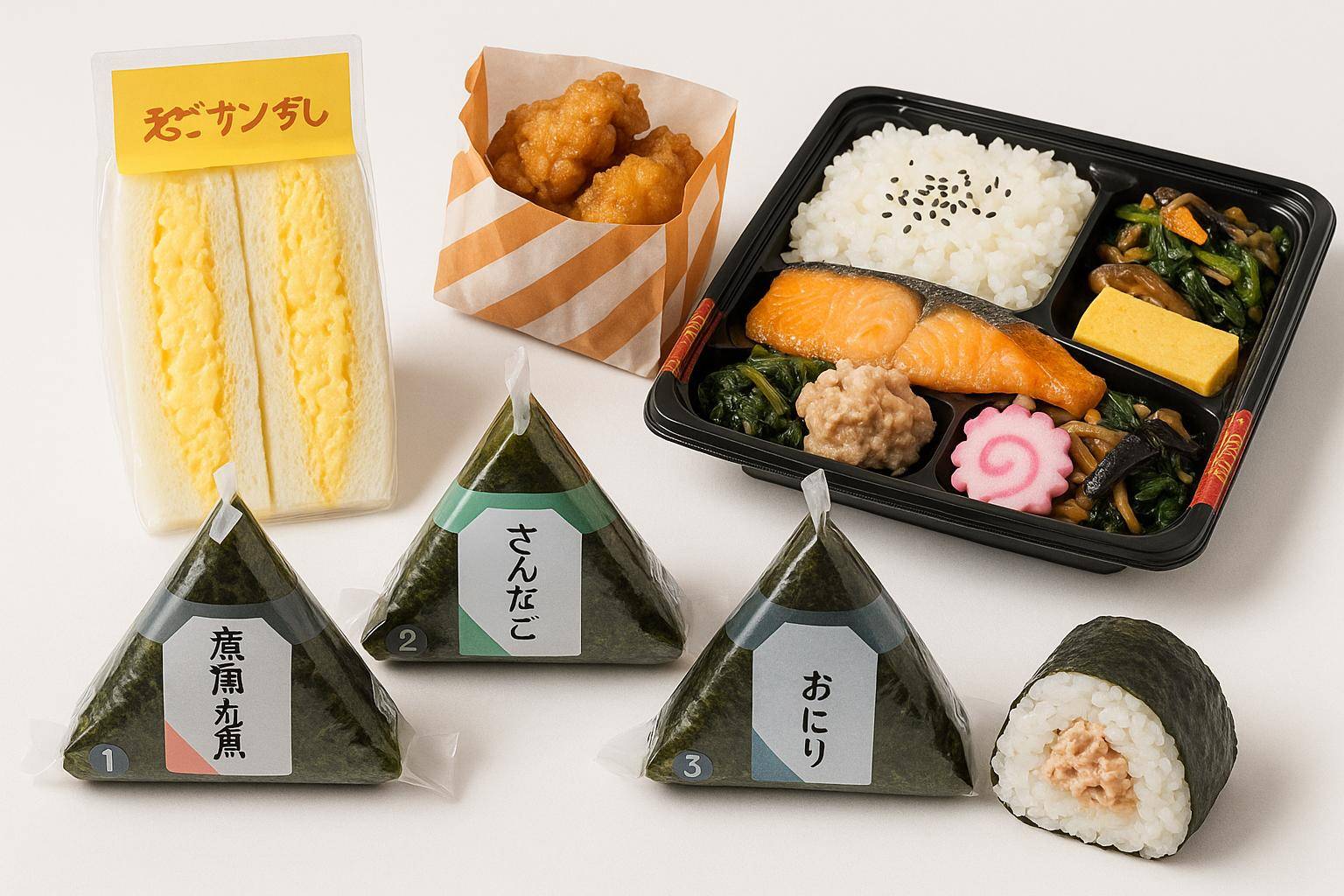
A simple meal from a Japanese convenience store can include:
- surprisingly fresh rice
- carefully seasoned ingredients
- balanced presentation
- good texture
- seasonal flavors
- high food safety standards
For many travelers, it becomes one of the most memorable parts ofvisiting Japan.
Some even joke that Japanese convenience store food tastes better thanrestaurants in their own country.
Convenience Stores Are Everywhere in Japan
One reason Japanese convenience stores evolved so much is because theyare deeply integrated into daily life.
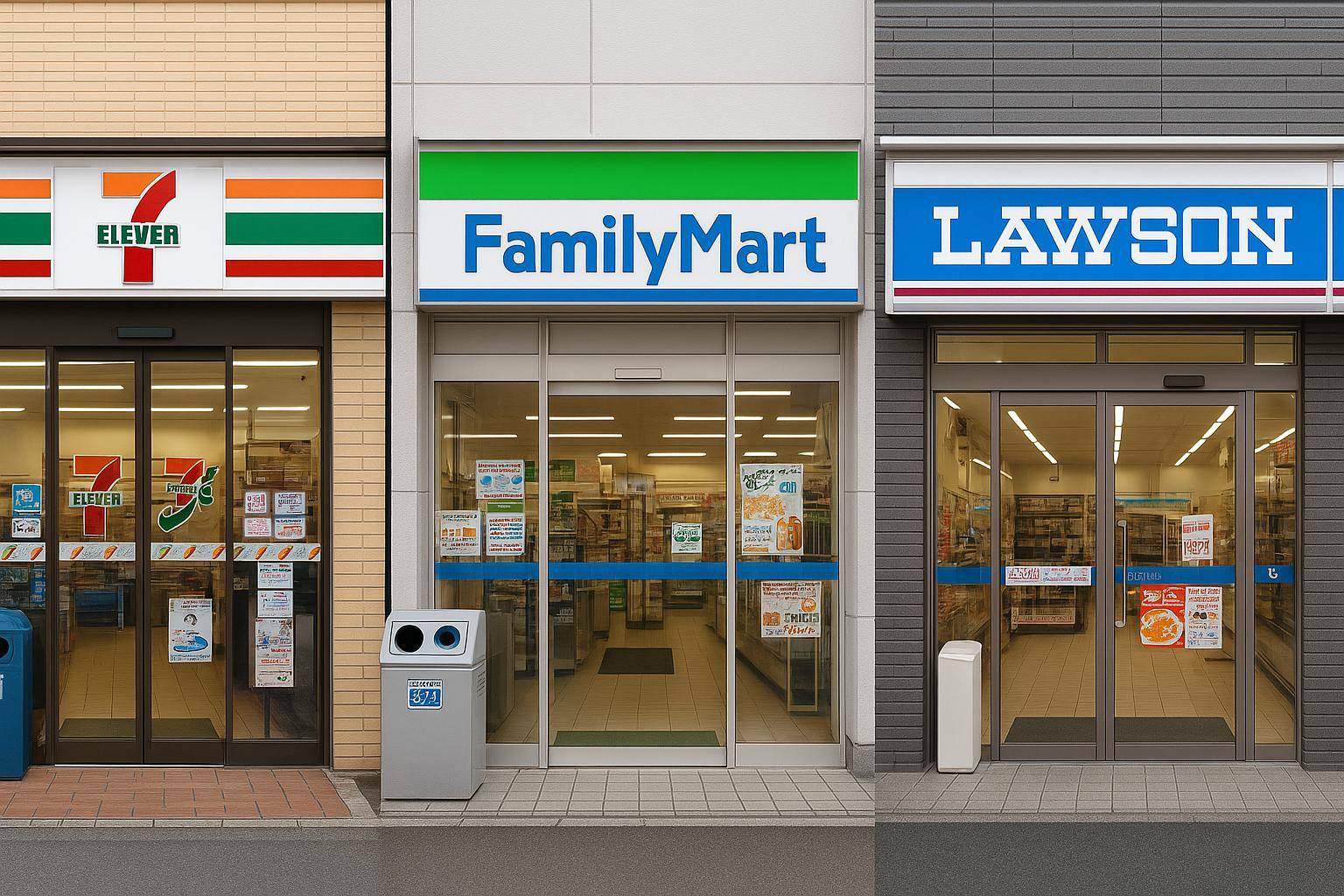
Chains like:
- 7-Eleven
- FamilyMart
- Lawson
are everywhere across Japan.
People rely on them daily for:
- breakfast
- lunch
- late-night meals
- coffee
- bills
- tickets
- ATM services
- package delivery
- emergency items
Because millions of people use them constantly, expectations became veryhigh.
Japanese customers generally value:
- cleanliness
- consistency
- freshness
- efficiency
- presentation
As competition increased, convenience stores continuously improved theirfood quality to stand out.
Why the Food Tastes So Good
Japanese convenience store food is not necessarily “luxury” food.
What makes it impressive is the attention to detail.
Even affordable meals are often carefully designed around:
- flavor balance
- texture
- visual appearance
- freshness
- portion harmony
- seasonal ingredients
For example:
- rice is often cooked and packagedto preserve moisture
- noodles are separated from brothuntil heating
- fried foods are kept surprisinglycrisp
- sandwiches are assembled neatlywith balanced fillings
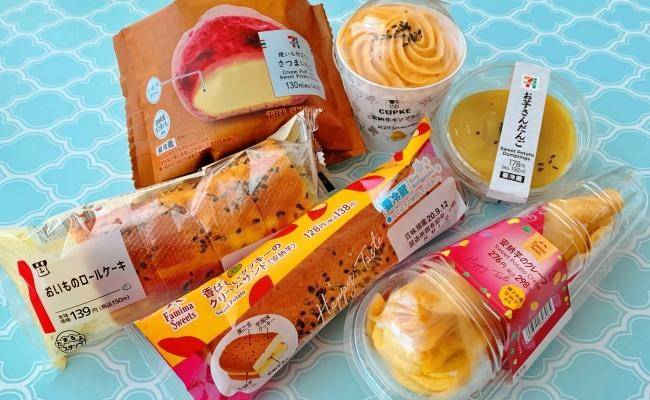
- desserts are often made withimpressive precision
In Japan, there is cultural pride in doing even ordinary things well.
That philosophy extends to convenience store food too.
The Japanese Idea of Consistency
One important part of Japanese quality culture is consistency.
Customers expect:
- the same flavor
- the same cleanliness
- the same experience
whether they visit Tokyo, Osaka, or a small countryside town.
This consistency requires:
- strong supply systems
- strict quality control
- careful preparation methods
- constant refinement
Japanese businesses often focus heavily on improving small details littleby little over time.
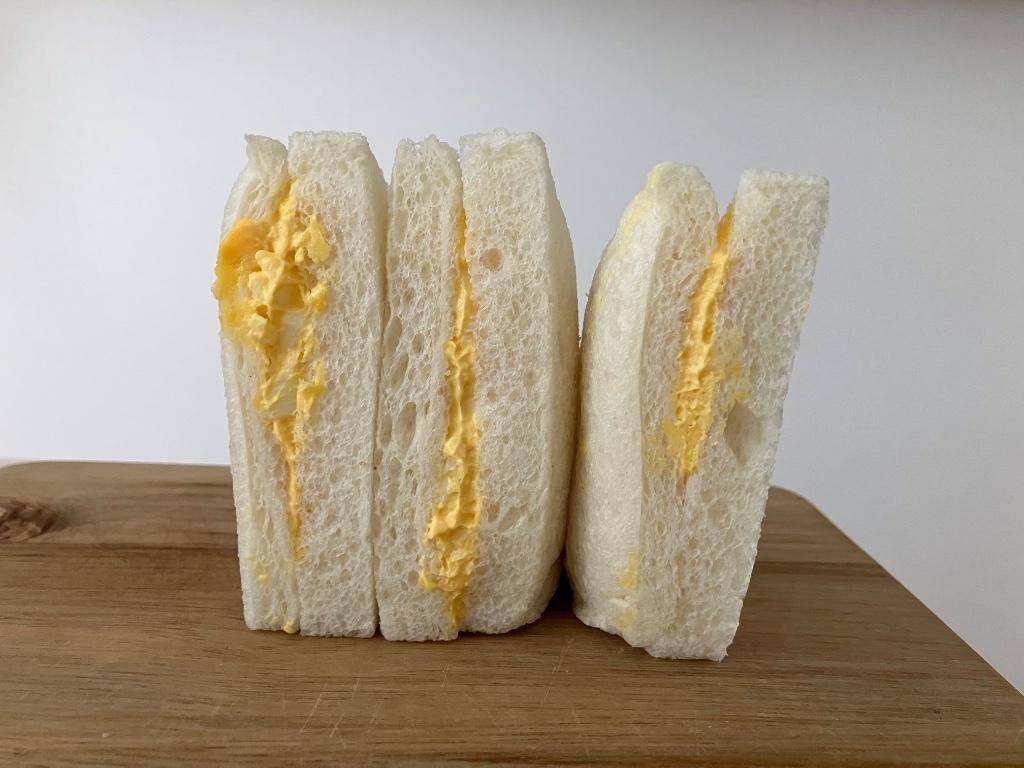
Even something as simple as an egg sandwich may go through countlessrevisions to improve:
- bread texture
- mayonnaise balance
- egg softness
- packaging design
This obsession with refinement is one reason Japanese convenience storesbecame globally famous.
Affordable Does Not Mean Low Effort
One thing that surprises many visitors is the price.
In Japan, you can often buy:
- fresh onigiri
- bento meals
- pasta
- ramen
- fried chicken
- desserts
- high-quality coffee
for relatively low prices.
Yet despite being affordable, the presentation and quality still receiveattention.
This reflects an important aspect of Japanese culture:
everyday experiences matter.
In Japan, craftsmanship and care are not reserved only for luxuryproducts.
Even ordinary daily items are often treated with seriousness and pride.
More Than Just Food
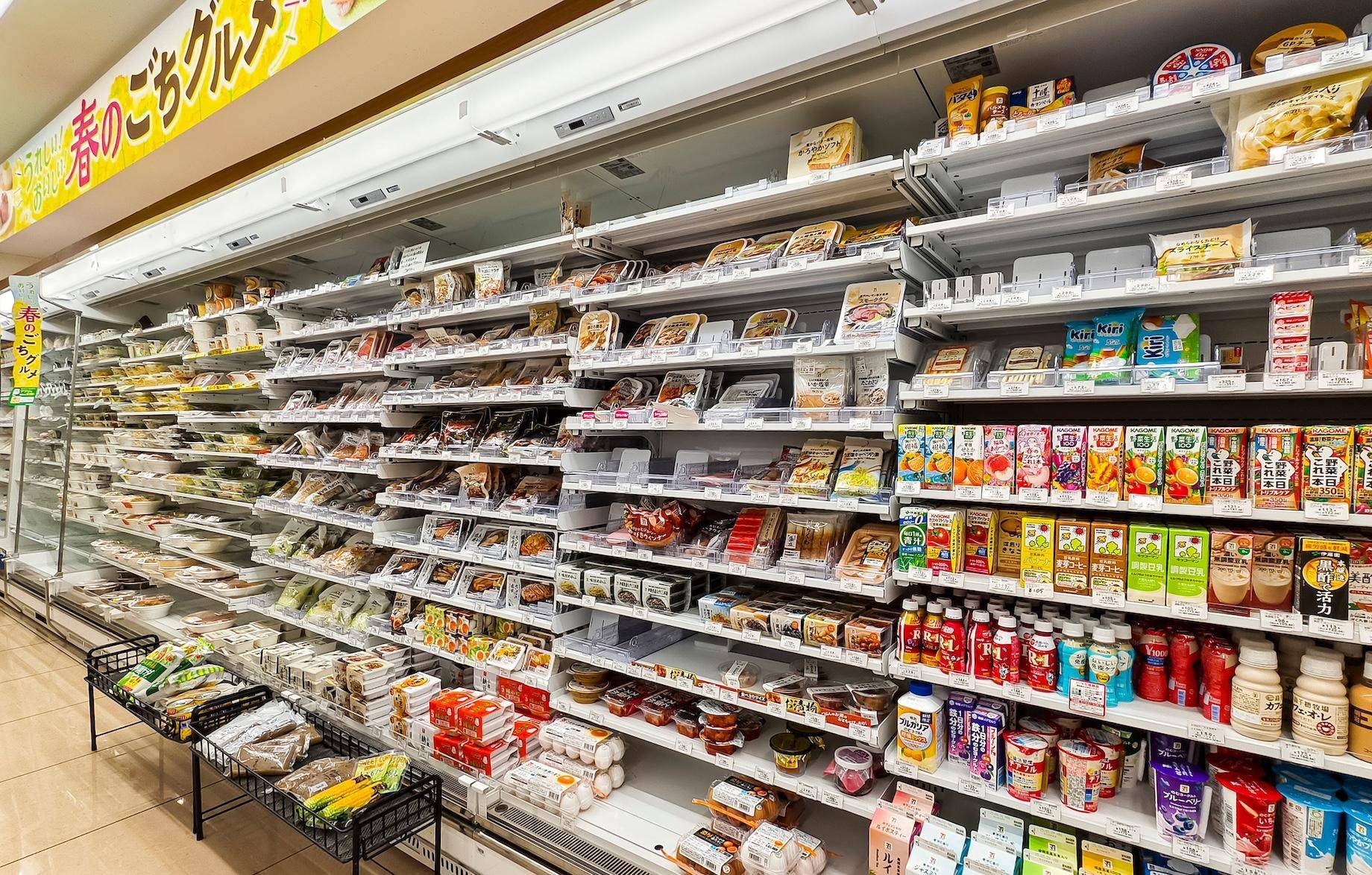
Japanese convenience stores also reflect the broader Japanese value ofefficiency without sacrificing quality.
The stores are usually:
- clean
- organized
- quiet
- well-lit
- easy to navigate
Staff members are often trained to provide:
- fast service
- politeness
- consistency
- careful packaging
For many travelers, the experience feels surprisingly comfortable andstress-free.
It is convenience — but designed thoughtfully.
The “Konbini” Has Become Part of Japanese Culture
Today, Japanese convenience stores are no longer viewed as simple emergency food stops.
For many people in Japan, they are part of everyday life.
Students, office workers, travelers, families, and elderly people all rely on them differently.
Some seasonal products even develop cult followings every year:
- sakura-themed desserts
- autumn sweet potato snacks
- limited-edition drinks
- winter oden
- regional specialties
The convenience store became a place where:
- speed
- accessibility
- quality
- and seasonal culture
all meet together.
Why People Around the World Admire Them
Japanese convenience stores may seem like a small thing.
But they reveal something much deeper about Japan.
They show a culture that often believes:
- details matter
- consistency matters
- presentation matters
- even ordinary experiences deservecare
Perhaps that is why so many visitors leave Japan talking not only aboutluxury restaurants or famous attractions…
…but also about a simple egg sandwich from a convenience store atmidnight.