Why Tatami Still Matters in Modern Japanese Homes
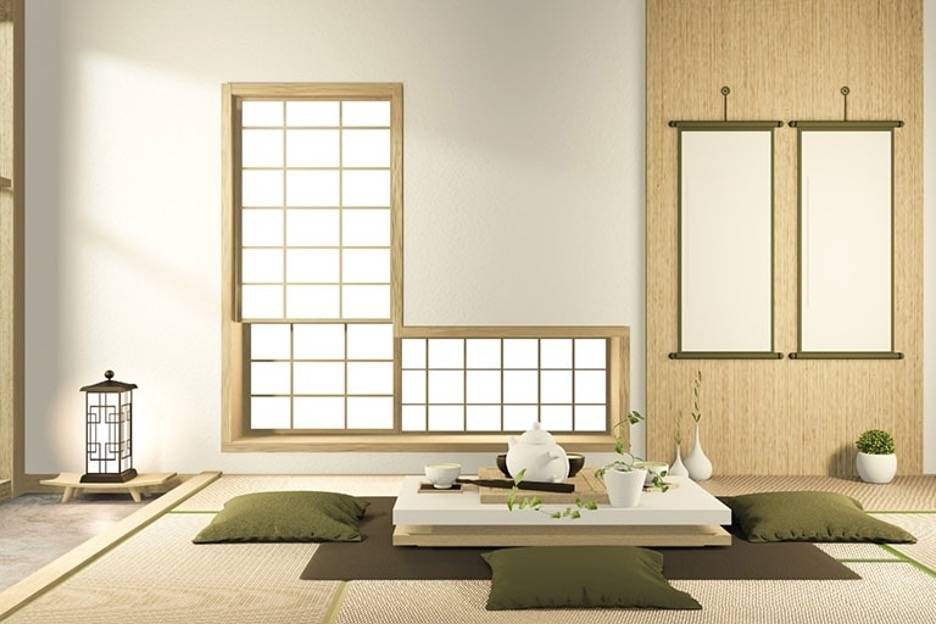
Tatami is one of the most recognizable elements of traditional Japanese living—and yet, it is far from being a thing of the past. Even in modern Japanese houses and apartments, it’s common to find at least one tatami room, quietly preserved as a space for rest, reflection, and connection.
To many Japanese people, tatami is not just flooring. It is a sensory experience—the faint natural scent, the gentle firmness under the body, and the calm atmosphere it creates the moment you step into the room.
A Floor Designed for Living on the Ground
Tatami is traditionally made from woven rush grass on the surface and packed rice straw inside. This structure creates a floor that is:
• Firm yet forgiving
• Naturally insulating
• Comfortable for sitting, lying down, or sleeping
Unlike chairs or sofas, tatami invites people to lower themselves to the ground. Sitting, stretching, lying down, or even taking a short nap directly on the floor feels natural. This closeness to the ground is one reason tatami rooms feel so relaxing—your body doesn’t need to “hold itself” in the same way it does on furniture.
The Smell of Home
Ask many Japanese people what they associate with tatami, and they’ll mention the smell. Fresh tatami has a subtle, grassy fragrance that instantly signals calm and familiarity. It’s often associated with childhood homes, grandparents’ houses, or peaceful moments during travel in Japan.
This natural scent is one of the reasons tatami rooms feel different from Western-style rooms. It’s not overpowering, but it quietly shapes the atmosphere.
Versatility in Daily Life
Tatami rooms are incredibly flexible. The same space can be used for:
• Relaxing and conversation
• Sleeping with a futon
• Children’s play
• Meditation or stretching
• Traditional arts or martial arts practice
Because furniture is minimal or movable, the room adapts to the moment. This simplicity reflects a core Japanese value: space should serve people, not dictate how they live.
Tradition Adapted to Modern Life
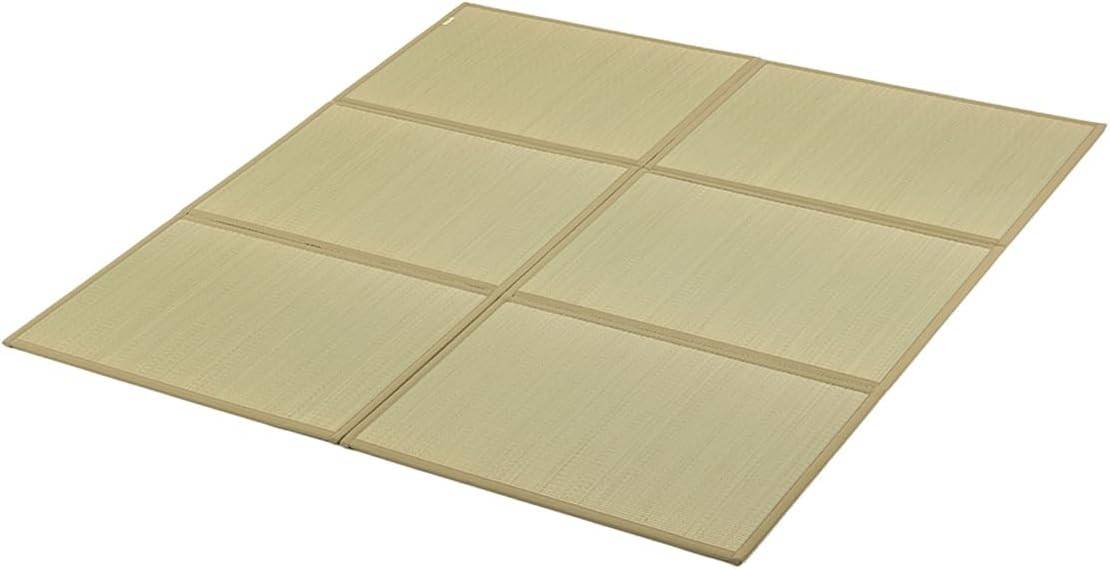
While traditional tatami requires careful maintenance—keeping it dry, well-ventilated, and protected from moisture—modern versions have evolved. Today, there are tatami mats designed to be more durable, easier to maintain, and suitable for apartments or homes outside Japan.
Still, the essence remains the same: tatami creates a calm, grounded environment that encourages rest and mindfulness.
Why People Still Love Tatami
Tatami may feel unfamiliar at first, especially for those used to soft carpets or mattresses. But for many, that initial firmness becomes part of its appeal. It supports the body evenly, encourages natural posture, and slows down movement in a way that feels intentional.
In a world filled with screens and constant stimulation, tatami offers something rare: a place where doing nothing feels completely acceptable.
Related Japanese Items You May Appreciate
If you’re interested in bringing the feeling of a tatami room into your own space, you may want to explore:
• Traditional tatami mats made from natural rush grass
• Modern tatami-style mats designed for apartments
• Futons designed specifically for tatami use
• Tatami play mats or meditation mats
Tatami represents a uniquely Japanese idea of comfort—simple, grounded, and deeply connected to daily life.
Recommended Product
FULI Japanese Tatami Mattress, Tatami Rug, Igusa Mat (Japanese Rush Grass) Foldable