Why Japanese Kitchen Knives Are Respected
Around the World
Japanese kitchen knives are more than cooking tools. They are the result of centuries of craftsmanship, precision thinking, and a cultural belief that good tools elevate daily life. For chefs and home cooks alike, a Japanese knife often becomes the most trusted object in the kitchen—something used every day, cared for carefully, and kept for years.
It’s not unusual for travelers to include knife shops in their Japan itineraries. From department stores to small specialty shops, Japanese knives attract people who value sharpness, balance, and control—qualities that directly affect how food is prepared and enjoyed.
A Heritage Rooted in Craftsmanship
The roots of Japanese kitchen knives trace back to traditional sword-making. While modern knives are designed for food rather than combat, the philosophy remains the same: sharpness with control, strength with refinement.
Instead of brute force, Japanese knives emphasize:
• Thin, precise blades
• Clean, effortless cuts
• Minimal damage to ingredients
This results in better texture, cleaner flavors, and less fatigue during long cooking sessions.
Sharpness With Purpose
One defining characteristic of Japanese knives is their sharp edge. Rather than being sharpened aggressively for short-term performance, the goal is consistent sharpness that can be maintained over time. A well-made Japanese knife glides through vegetables, fish, and meat with minimal resistance, allowing the cook to focus on technique rather than force.
This sharpness also encourages better habits. When a knife responds precisely to your movement, you naturally develop safer grips, smoother motions, and greater respect for the tool itself.
Balance, Anatomy, and Control
Understanding a kitchen knife—its shape, weight distribution, and anatomy—changes how you cook. The point, belly, spine, edge, tang, and handle each play a role in how the knife performs.
Japanese knives are designed so that:
• The blade does most of the work
• The hand guides rather than pushes
• Balance reduces wrist and hand fatigue
This is why many professionals prefer them for long prep sessions. The knife feels like an extension of the hand, not a separate object.
Why Japanese Knives Feel Different
Japanese kitchen knives tend to favor:
• Purpose-driven design over all-in-one compromise
• Fewer unnecessary features
• Materials chosen for performance, not decoration
Even when modern technologies are used, the goal remains unchanged: a knife that cuts cleanly, feels stable, and lasts a long time when properly maintained.
This balance between tradition and modern manufacturing is what makes Japanese knives appealing to both traditional chefs and modern home cooks.
Related Japanese Kitchen Knives You May Appreciate
If you’re interested in experiencing Japanese knife craftsmanship, you may want to explore:
• Japanese-style chef’s knives (Gyuto or Santoku)
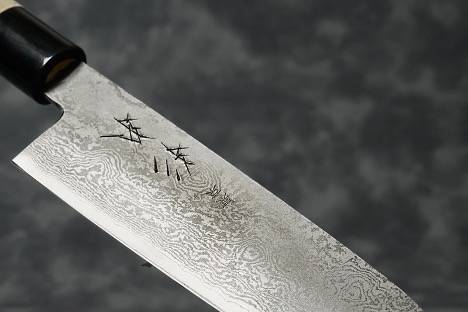
• Damascus-pattern steel blades
• Knives emphasizing balance and ergonomic handling
• High-quality knives suitable for both home cooks and professionals
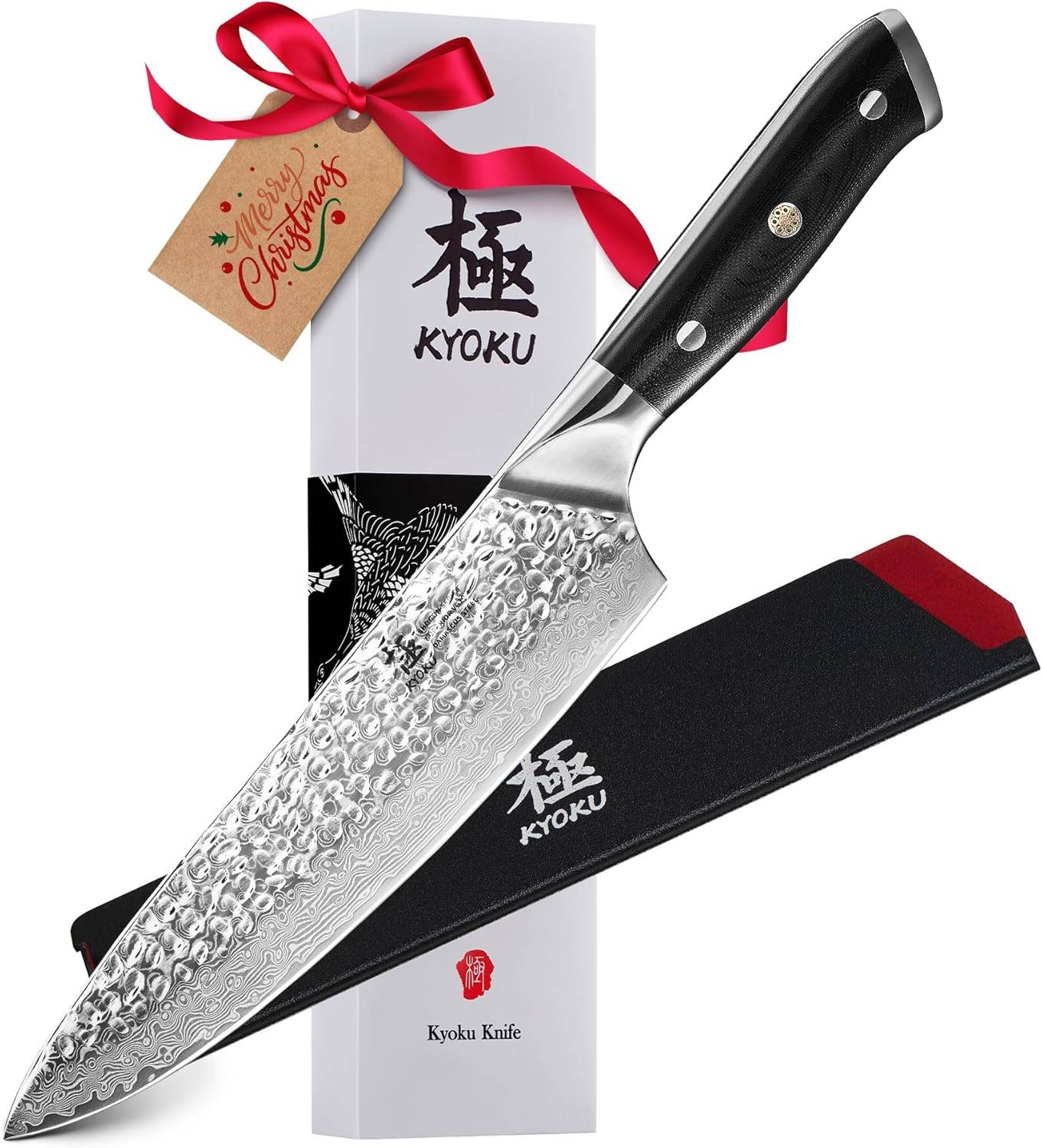
One modern brand inspired by Japanese knife-making principles is KYOKU, known for combining traditional craftsmanship ideas with contemporary manufacturing techniques.
Japanese kitchen knives reflect a broader Japanese value: when a tool is made well, daily work becomes quieter, smoother, and more meaningful.
Recommended Product
KYOKU Chef Knife - 8"- Shogun Series Japanese Style VG10 Steel Core Hammered Damascus Blade Kitchen Knife