Why Packaging in Japan Feels Like Part of the Gift
In Japan, packaging is never an afterthought. Even the smallest purchase—a cookie, a notebook, a single pen—often arrives wrapped with care, balance, and intention. To visitors, this can feel surprising at first. To Japanese people, it feels natural.
Packaging in Japan isn’t just about protection or presentation. It’s about respect—for the object, for the person receiving it, and for the moment of exchange itself.
Packaging as a Form of Courtesy
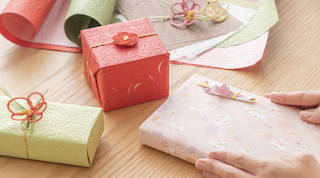
When you buy something in a Japanese department store, what stands out isn’t speed—it’s precision. Staff members fold paper cleanly, align edges perfectly, and wrap items with practiced movements that feel almost ceremonial.
This isn’t done to impress. It’s done because the act of handing something to another person carries meaning. The packaging becomes a quiet way of saying, “This was prepared thoughtfully for you.”
This mindset reflects a broader Japanese value: how something is given matters as much as what is given.
Small Items, Serious Care
In many countries, elaborate packaging is reserved for luxury goods. In Japan, even everyday items receive attention. A simple snack might be wrapped twice—once for protection, once for presentation. A purchase may be placed in an inner bag, then an outer bag, each chosen carefully.
This doesn’t mean excess for the sake of excess. Instead, it reflects an idea deeply rooted in Japanese culture: nothing is too small to deserve care.
Skill, Training, and Technique
Japanese packaging—especially in department stores—is a learned skill. Staff are trained to:
• Wrap items neatly and efficiently
• Adjust techniques based on item shape
• Avoid creases, uneven folds, or loose corners
• Present the item cleanly with both hands
Watching this process feels closer to observing craftsmanship than retail work. The wrapping itself becomes part of the experience.
Aesthetic Simplicity With Purpose
Despite the care involved, Japanese packaging often appears simple. Neutral colors, clean lines, and restrained designs are common. This minimalism isn’t about decoration—it’s about clarity.
The goal is not to overwhelm the recipient, but to create a moment of calm anticipation before the item is revealed. The packaging frames the object without competing with it.
The Emotional Impact of Thoughtful Packaging
Thoughtful packaging changes how an item is received. It slows the moment down. It invites attention. It signals that the exchange matters.
This is why packaging in Japan feels memorable. It turns ordinary purchases into small experiences—quiet, respectful, and intentional.
Tradition Adapting to the Present
Today, Japan is also rethinking packaging through sustainability. Reusable wrapping cloths, simplified materials, and recyclable papers are becoming more common, showing how tradition continues to evolve without losing its core values.
The heart of Japanese packaging remains unchanged: care is visible in the details.
Related Japanese Items You May Appreciate
If you’re interested in Japanese packaging culture, you may want to explore:
• Traditional wrapping papers and envelopes
• Reusable cloth wrapping (furoshiki)
• Japanese stationery designed for gifting
• Products known for thoughtful, minimalist packaging
In Japan, packaging isn’t about making things look expensive.
It’s about making people feel respected.
Recommended Product
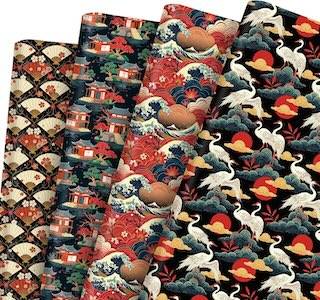
Traditional Japanese Themed Gift Wrapping Paper