Why Gift-Giving in Japan Is Never “Just a Gift”
In Japan, giving a gift is never a casual act. It carries weight, intention, and responsibility. This is why you may hear people jokingly warn, “Don’t give gifts to Japanese people—it can start a gift-giving war.”
Behind that humor lies a very real cultural truth: receiving a gift creates an obligation to respond.
To Japanese people, a gift is not simply an object. It is a relationship moment.
Receiving a Gift Is a Serious Matter
When a Japanese person receives a gift, the first feeling is often gratitude—but closely followed by awareness.
How much effort did they put into this?
When should I return the favor?
What would be appropriate in value and timing?
Ignoring this responsibility is considered inconsiderate. Returning the gesture, however, restores balance. This cycle of giving and returning is not transactional—it is relational.
The Idea of Balance, Not Equality
Japanese gift-giving is guided by balance rather than exact equality. The return gift doesn’t have to match the original item in price or size, but it must match the spirit.
This is why Japanese people are careful with gifts:
• Too expensive → creates pressure
• Too casual → may feel dismissive
• Poor timing → feels awkward
A well-chosen gift shows awareness, humility, and social sensitivity.
Why Gifts Are Wrapped So Carefully
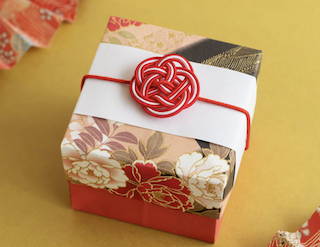
The way a gift is wrapped in Japan matters as much as the gift itself. Careful packaging communicates respect and seriousness. It tells the recipient:
“I thought about this moment.”
This is also why department store staff spend time wrapping purchases beautifully. The packaging helps the giver avoid embarrassment and helps the receiver accept the gift gracefully.
Omiyage, Ochugen, and Oseibo
Japanese gift culture appears most clearly in traditions like:
• Omiyage – souvenirs brought back from trips
• Ochugen – mid-year gifts expressing gratitude
• Oseibo – year-end gifts acknowledging support
These customs are not about surprise or novelty. They are about maintaining relationships—with family, coworkers, clients, and mentors.
Skipping them can feel like neglect. Participating in them shows attentiveness.
Why “Gift-Giving Wars” Happen
The so-called gift-giving war happens when both people are highly considerate. One gift leads to another, slightly adjusted in timing or form, each person trying not to burden the other while still expressing gratitude.
From the outside, it may seem excessive. From the inside, it is a quiet exchange of respect.
What This Says About Japanese Values
Japanese gift culture reveals something deeper:
• Relationships are maintained through action
• Thoughtfulness matters more than words
• Courtesy is ongoing, not a one-time gesture
A gift is never meant to put someone in your debt. It is meant to acknowledge connection—and invite care in return.
Related Japanese Items You May Appreciate
If you’re interested in Japanese gift culture, you may want to explore:
• Omiyage-style food gifts
• Everyday items chosen for gifting
• Thoughtfully packaged stationery or household goods
• Reusable wrapping such as cloth or paper sets
In Japan, gifts are not about impressing.
They are about remembering each other properly.
Recommended Product
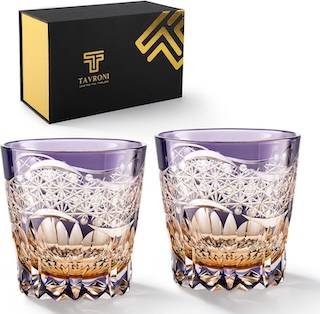
Edo Style Kiriko Japanese Whiskey Glass