
Kimono:
The Cultural and Historical Symbol of Japan
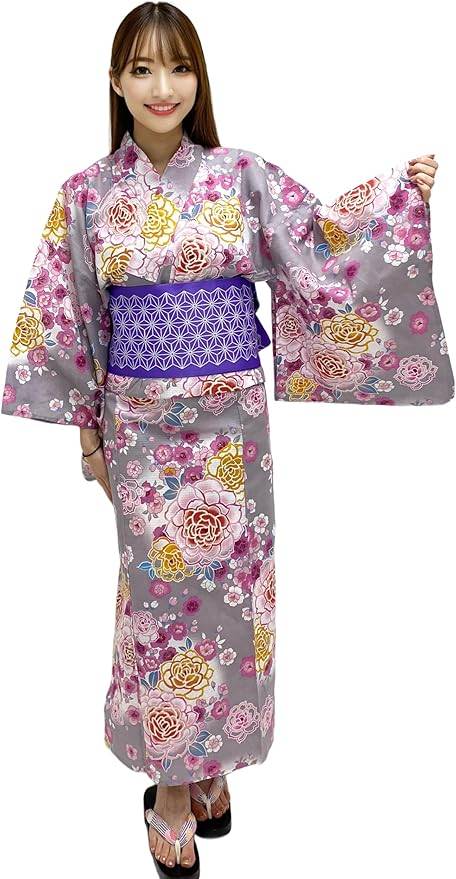
The kimono is one of Japan’s most recognizable cultural symbols — graceful in form, rich in meaning, and deeply connected to more than a thousand years of Japanese history. Today, the kimono is admired around the world not only as traditional attire, but as a work of art shaped by generations of skilled artisans.
Its story reflects Japan’s evolution — from imperial courts to modern fashion — and continues to inspire with its timeless beauty.
🌿 The Origins of the Kimono
The kimono traces its beginnings to the Nara period (710–794) as a simple garment called the kosode — a robe with small sleeves worn by both men and women.
Over centuries, this practical garment transformed into a refined form of dress that expressed:
✔️ social status
✔️ seasonal awareness
✔️ aesthetic taste
✔️ cultural values
By the Heian period (794–1185), court nobles wore layers of kimonos in carefully chosen colors to reflect seasons, virtues, and poetic symbolism. The famous juni-hitoe (twelve-layered robe) is one of the most iconic examples.
🎎 The Kimono in the Edo Period: Fashion for the People
During the Edo period (1603–1868), Japan enjoyed long political stability under the Tokugawa shogunate. As urban culture flourished in cities like Edo and Kyoto, kimono fashion also thrived.
This era introduced:
✔️ yuzen dyeing — enabling vibrant, detailed designs
✔️ symbolic motifs — cranes for longevity, cherry blossoms for impermanence
✔️ regional styles — reflecting local artistry
For the first time, kimonos became accessible not only to elites but also to common townspeople, shaping a rich clothing culture that still influences modern Japanese fashion.
🎌 Modernization and Change in the Meiji Era
When Japan opened to the West in the Meiji era (1868–1912), Western clothing quickly spread through society. The kimono gradually shifted from daily wear to formal attire — preserved for:
✔️ weddings
✔️ tea ceremonies
✔️ coming-of-age celebrations
✔️ traditional festivals
This transition reflects Japan’s balance between tradition and modernization — choosing to preserve the kimono not as everyday clothing, but as a cherished cultural symbol.
✨ The Kimono Today: Art, Craftsmanship, and Identity
Modern kimonos are masterpieces of craftsmanship. A single kimono can take months — even a year — to complete, requiring:
✔️ weavers
✔️ dyers
✔️ embroiderers
✔️ pattern artisans
Each kimono is a canvas of Japanese aesthetics, expressing themes such as nature, poetry, and seasonal beauty. Around the world, kimonos are celebrated in museums, fashion exhibitions, and cultural events.
The kimono continues to embody:
✔️ tradition
✔️ elegance
✔️ identity
✔️ the refined Japanese sense of beauty
While traditional silk kimonos are works of art, there are many accessible kimono-style items perfect for daily use, gifting, or cultural appreciation.
1. Women’s Yukata (Cotton Summer Kimono)
Lightweight, comfortable, and ideal for festivals or relaxing at home.
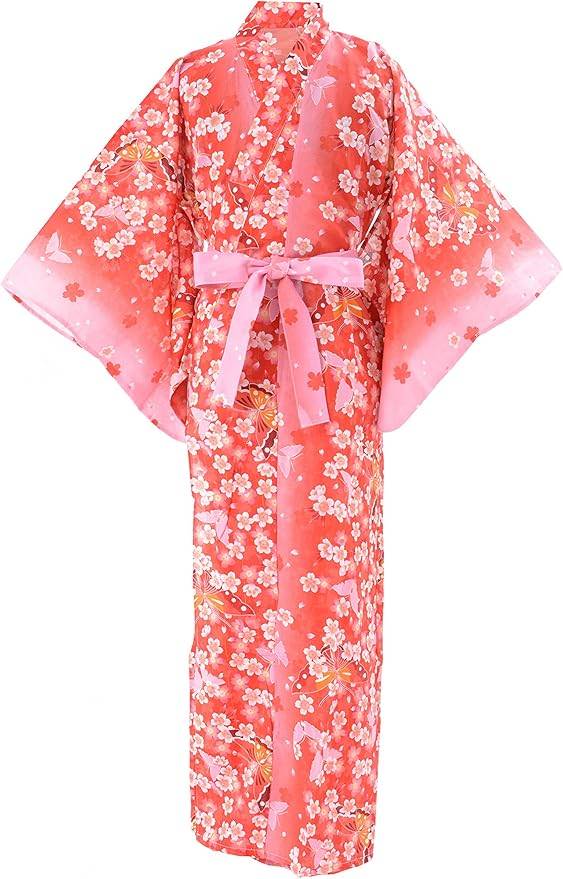
2. Kimono-Style Robe / Loungewear
Inspired by traditional silhouettes — simple, stylish, and easy to wear.
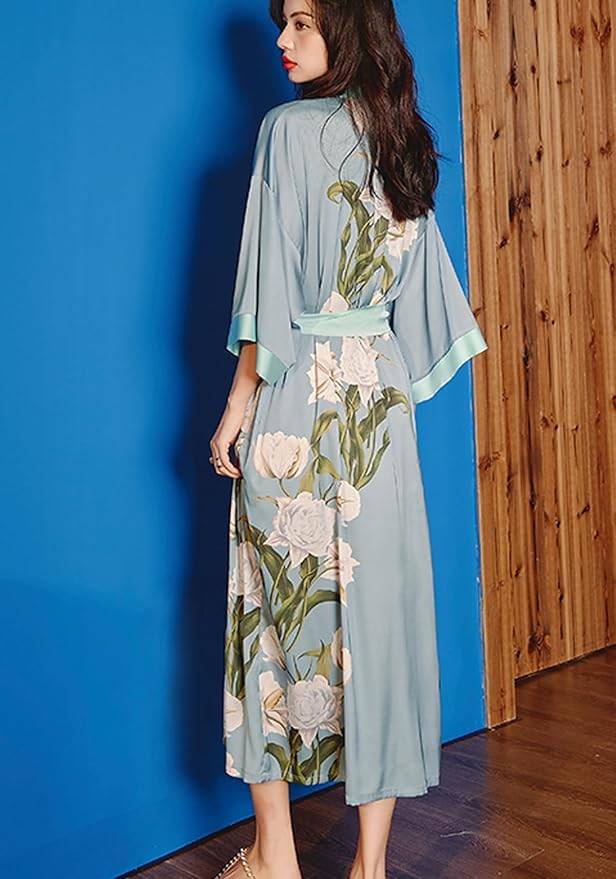
3. Obi-Style Belt
A modern accessory inspired by kimono obi ties — perfect for fashion styling.
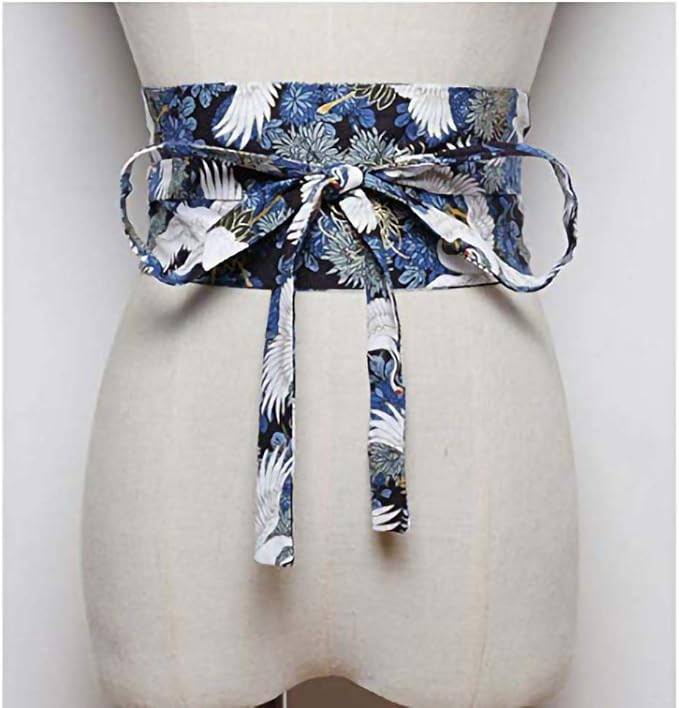
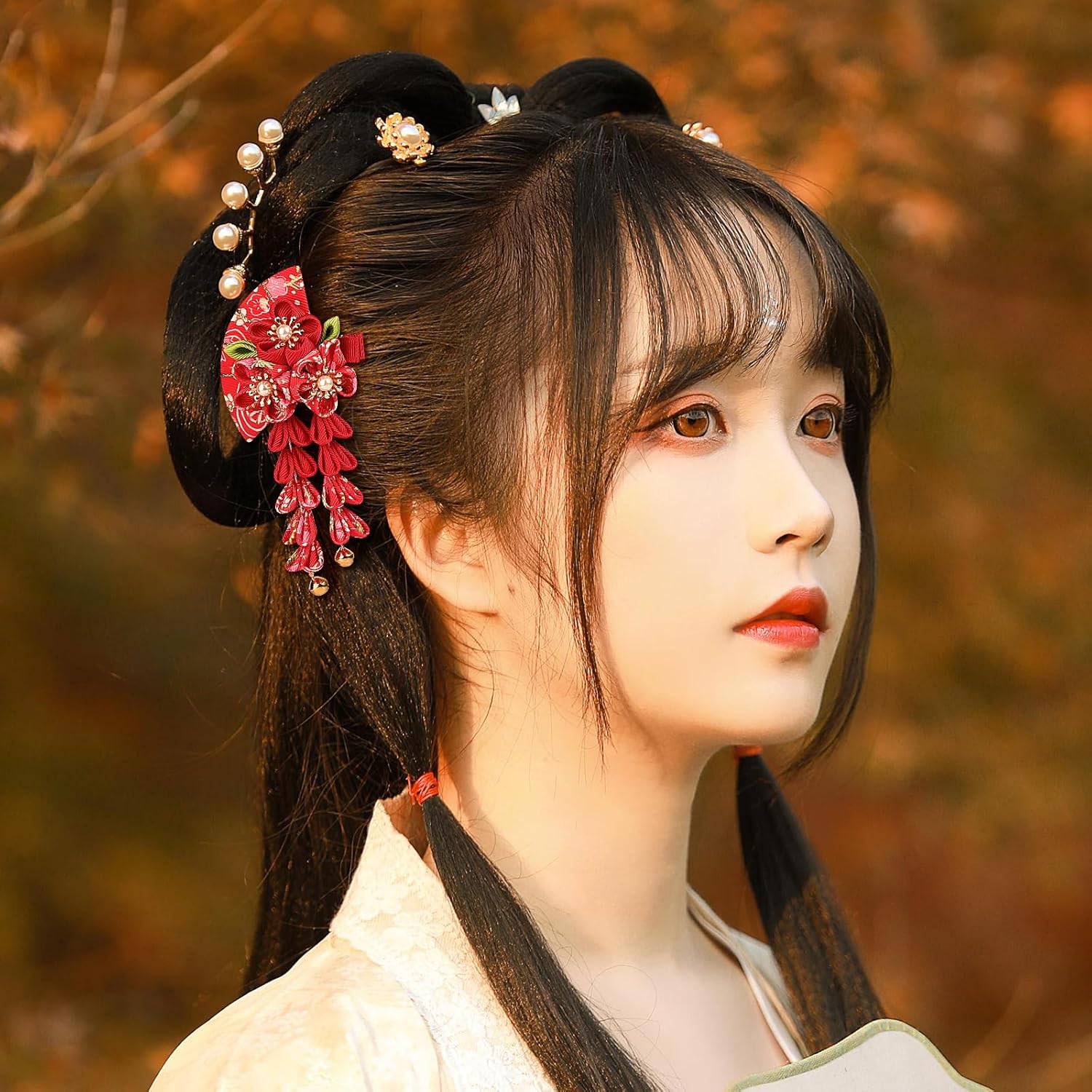
4. Kanzashi Hair Accessories
Traditional-style hair ornaments featuring flowers and seasonal motifs.
🌱 Final Thoughts
The kimono is far more than clothing — it is a record of Japan’s cultural evolution, an expression of beauty, and a testament to centuries of craftsmanship. From historical court dress to a symbol of modern Japanese identity, the kimono continues to inspire admiration around the world.
Wearing or appreciating kimono-style items offers a small connection to Japan’s heritage — a reminder of the harmony, artistry, and meaning woven into every fold.